

Home / Products / Asset

Know what you own.
And where it went
Tagged asset registers with movement monitoring and location tracking across floors, rooms and exits — so the register describes the building rather than contradicting it.
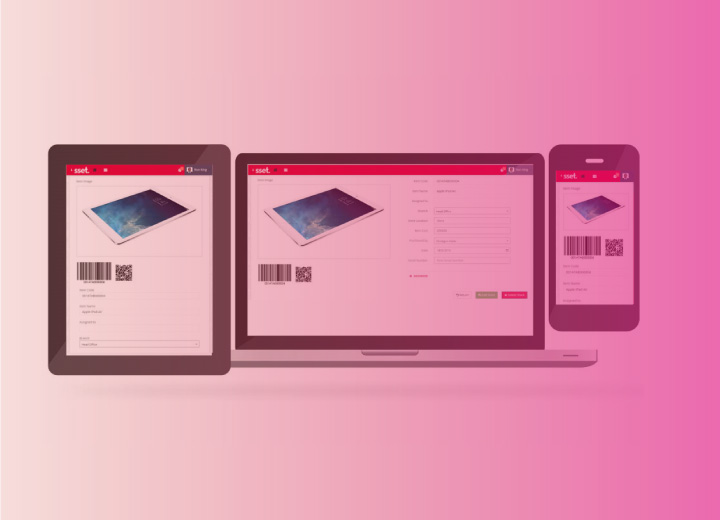
// what it is
Asset
Tagged asset registers with movement monitoring and location tracking across floors, rooms and exits — so the register describes the building rather than contradicting it.
// the problem
What this replaces
A register that is already wrong
The asset book was accurate on the day it was written. Everything since has moved without it.
Equipment that walks
Items leave the building through the front door and are noticed at the next audit, months later.
Audits as expeditions
Verification means a team walking every floor with a clipboard, for weeks, once a year.
Nobody owns anything
When an item is missing, there is no record of who last held it or which room it was assigned to.
// what it does
RFID asset tracking
and inventory control
Every item identified
RFID and barcode tagging with a durable label, tied to a register entry at the point of acquisition.
Room-level position
Assets located by floor and room, updated as they move rather than as they are remembered.
Exits monitored
Readers at doorways record items leaving a zone, with alerts on unauthorised movement.
Assigned and accountable
Each asset carries a custodian, a department and a location. Transfers are recorded, not assumed.
Acquisition to disposal
Purchase, depreciation, maintenance history and disposal held against the same record.
A scan, not an expedition
Verification by walking a floor with a reader instead of a clipboard.
// how it lands
Deployment, without
the ICT department losing control
What exists now
A baseline count. Most organisations discover the gap between the book and the building here.
Item by item
Tagging and labelling, department by department, with custody assigned as we go.
Doors and zones
Readers placed where movement matters — stores, laboratories, exits.
On a schedule you choose
Verification that takes hours rather than weeks, as often as you want it.
- Verification
- Hours, not weeks
- Tracked to
- Floor and room
// alongside this
Works with
Biolog
An encrypted identity card your institution alone can read, bound to the student record and checked at the…
Read moreProfiler
Screening, profiling and control workflows for organisations that must be able to show, afterwards, exactly…
Read moreEDUVANTAGE
One student record carrying admissions, registration, results, fees, identity and alumni — so the registry…
Read more// questions we are actually asked
RFID asset tracking and inventory management
What does RFID asset tracking give us that a register does not?
A register is accurate on the day it is written. RFID tags update the record as items move, so the register describes the building rather than contradicting it. Assets are located to floor and room, and readers at doorways record items leaving a zone.
How long does an audit take?
Verification becomes walking a floor with a reader rather than a team with clipboards over several weeks. Most organisations run audits far more often once the cost of running one falls.
Can it tell us who is responsible for an item?
Each asset carries a custodian, a department and a location. Transfers are recorded rather than assumed, so when something is missing there is a record of who last held it.
Does it cover the whole lifecycle?
Purchase, depreciation, maintenance history and disposal are held against the same record as the tag, so the finance view and the physical view are the same view.
What happens when equipment leaves the building?
Readers placed at exits and store doors record the movement and can alert on unauthorised removal. This is the physical security side of inventory: not just knowing what you own, but knowing when it moves.